
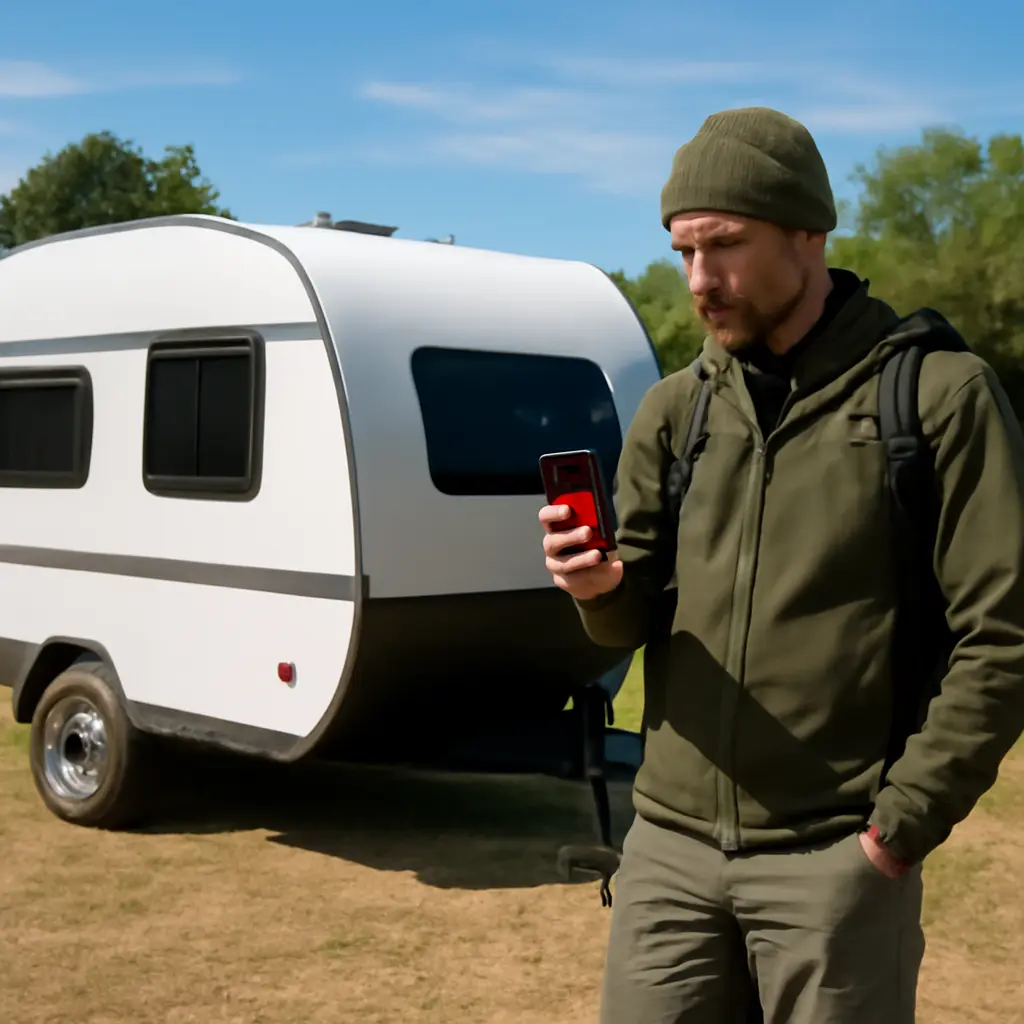
Living through a windstorm in a tiny trailer taught me that preparation matters more than size: secure the site, reduce exposure to flying debris, know when to leave, and never mistake a trailer for a storm shelter. A tiny trailer is a compact, towable living space, but its light construction and limited room can make severe wind especially consequential. The National Weather Service warns that mobile homes are particularly vulnerable to tornadoes and advises people in them to seek a substantial building or designated shelter. These lessons apply beyond one storm: the National Weather Service reports that even straight-line winds can cause extensive damage, and gusts near 50 mph can make driving difficult, especially for high-profile vehicles.
Windstorm preparedness in a tiny trailer starts with understanding exposure
A windstorm is a weather event with strong, sustained winds or gusts; it can occur with thunderstorms, frontal systems, or tropical cyclones. The National Weather Service defines a severe thunderstorm, in part, as one producing winds of at least 58 mph. For a small trailer, the key issue is not simply the wind speed: exposure, anchoring, nearby trees and structures, and the trailer’s condition all affect risk. A parked trailer may be shaken or damaged, while a moving trailer can be difficult to control in gusts.
The Federal Emergency Management Agency (FEMA) recommends that people in mobile homes move to a sturdy building or storm shelter when tornadoes threaten. That guidance matters for tiny trailers, too: compact size does not make a trailer a safe refuge. The practical lessons below connect weather awareness and site selection with securing belongings, evacuation decisions, and recovery.
Gusts and wind direction can matter more than the forecast headline
A forecast may describe average wind, while brief gusts deliver the strongest jolts. Wind direction also changes how force reaches a trailer, awning, door, or exposed side. During my storm, the repeated bursts were more unsettling than a steady breeze: objects rattled, and the trailer’s movement made it clear that weather apps alone could not describe conditions at the campsite. Check official alerts, expected gusts, and local warnings rather than relying on a general label such as “windy.”
A trailer’s small footprint does not remove its structural vulnerability
Tiny trailers vary in construction, weight, tires, stabilizers, and anchoring, so there is no single wind threshold that makes every unit safe. Unlike a permanent home, a trailer can be exposed on multiple sides and may be vulnerable to movement, falling branches, or debris. The National Weather Service’s safety guidance treats mobile homes as unsafe places during tornadoes, regardless of whether they are on wheels or have tie-downs. The lesson is straightforward: tie-downs and careful parking can reduce some risks, but they do not turn a trailer into a storm shelter.
Site choice and preparation reduce avoidable windstorm hazards
Before the wind arrives, the most useful decision may be where to park. A sheltered location can reduce exposure, but shelter should not mean parking beneath a large tree, beside an unstable structure, or where flooding could trap the vehicle. FEMA’s preparedness advice emphasizes knowing local hazards and planning how to reach a safe location. In practice, that means checking the campsite layout, identifying nearby sturdy buildings, and deciding in advance how to leave.
Choose a site with fewer overhead and flying-debris risks
Look for a level location away from dead limbs, damaged trees, loose outdoor equipment, and objects that could become airborne. Avoid parking where a trailer blocks the only exit or sits beneath power lines. If severe weather is forecast, ask the campground host about its designated shelter and evacuation procedures. A scenic, open site may be pleasant in calm weather but offer little protection when gusts rise.
Secure loose items and protect the trailer’s vulnerable points
Bring chairs, mats, grills, bins, and lightweight equipment inside or secure them according to the manufacturer’s instructions. Retract awnings and close windows, vents, and exterior compartments if conditions and the trailer manual permit. Check stabilizers, hitch arrangements, and any approved tie-down system; do not improvise anchors that could damage the trailer or create hazards. A short pre-storm checklist is more reliable than trying to remember every loose item while the wind is already rising.
- Monitor National Weather Service alerts and local emergency notifications.
- Keep shoes, keys, identification, medication, a charged phone, and a flashlight accessible.
- Know the route to a sturdy shelter and have enough time to reach it before conditions deteriorate.
- Do not rely on a vehicle or trailer as protection from a tornado.
Evacuation decisions matter more than staying to protect belongings
A windstorm can escalate quickly, and leaving late can turn a manageable drive into a dangerous one. The National Weather Service cautions that strong winds can make driving difficult, particularly for high-profile vehicles. For a tow vehicle and trailer, crosswinds can affect both control and stability. If authorities issue an evacuation notice, or a tornado warning threatens the area, follow official instructions rather than trying to save equipment or wait for the trailer to feel unsafe.
Know the difference between sheltering and sheltering in place
Sheltering in place means staying inside a location that is appropriate for the hazard; it does not mean remaining in any building or vehicle by default. For tornado danger, FEMA and the National Weather Service advise people in mobile homes to move to a sturdy building or designated shelter. If no shelter is available, follow local emergency guidance and move away from windows and potential debris as directed. Do not assume that a small trailer’s low profile makes it safer.
Avoid towing in dangerous gusts
If conditions are deteriorating, towing may expose you to loss of control, falling branches, poor visibility, and blocked roads. Decide early whether relocation is feasible, and follow road closures and instructions from emergency officials. Never drive through downed power lines or standing water, and do not approach damaged electrical equipment. If the safe departure window has passed, seek the nearest appropriate shelter rather than attempting a last-minute tow.
Recovery after a windstorm begins with safety checks
Once the strongest winds pass, a quiet moment does not necessarily mean the area is safe. Additional gusts, unstable trees, damaged utility lines, and debris can remain hazardous. Wait for official all-clear information when available, inspect from a safe distance, and document damage only after conditions permit. The Centers for Disease Control and Prevention advises people to avoid downed power lines and treat them as energized.
Inspect before reconnecting utilities or moving the trailer
Look for damaged tires, shifted supports, broken branches, loose exterior panels, and signs of water entry. If the trailer appears unstable or has contacted a power line, do not approach or move it; contact emergency services or the utility provider. Follow the trailer manufacturer’s instructions for checking propane, electrical, and other systems. Photograph damage for records once it is safe, and report hazards to the campground or property manager.
Turn the experience into a better plan for next time
A brief after-action review can make future trips safer. Note which alerts arrived in time, which supplies were hard to reach, how long it took to reach shelter, and whether the chosen site had a clear exit. Update the emergency kit and share the plan with travel companions. The most important lesson from living through a windstorm in a tiny trailer is not to tough it out: prepare early, trust authoritative warnings, and prioritize people over property.
Conclusion: preparedness is more valuable than the trailer’s size
Windstorm safety in a tiny trailer depends on recognizing exposure, choosing a safer site, securing loose items, and making evacuation decisions before the weather becomes dangerous. Official guidance is clear that a mobile home is not a safe tornado shelter, and strong gusts can also make towing hazardous. Use the National Weather Service for alerts, learn the shelter procedures wherever you camp, and build a simple plan before your next trip. Preparation cannot control the weather, but it can help protect the people living through it.
Sources: National Weather Service, Severe Weather 101: Thunderstorm Basics, https://www.nssl.noaa.gov/education/svrwx101/thunderstorms/; National Weather Service, Tornado Safety, https://www.weather.gov/safety/tornado; Federal Emergency Management Agency, Tornadoes, https://www.ready.gov/tornadoes; National Weather Service, High Wind Safety, https://www.weather.gov/safety/wind; Centers for Disease Control and Prevention, Safety Guidelines: Floodwater and Power Outages, https://www.cdc.gov/natural-disasters/response/
Related Posts
Most RV Owners Overlook Security Until Something Goes Missing
An RV is both a vehicle and a temporary home, carrying valuables, documents, equipment, and [...]

If You Dread Hot Weather These Indoor RV Cooling Solutions Will Change Your Mind
Indoor RV Cooling Solutions + Comfort Enhancement Indoor RV cooling solutions refer to a wide [...]

How Skipping Regular Maintenance Turns Year-Round RV Living Into a Headache
The Relationship Between Regular Maintenance and Year-Round RV Living Recreational Vehicles (RVs) offer a mobile [...]