
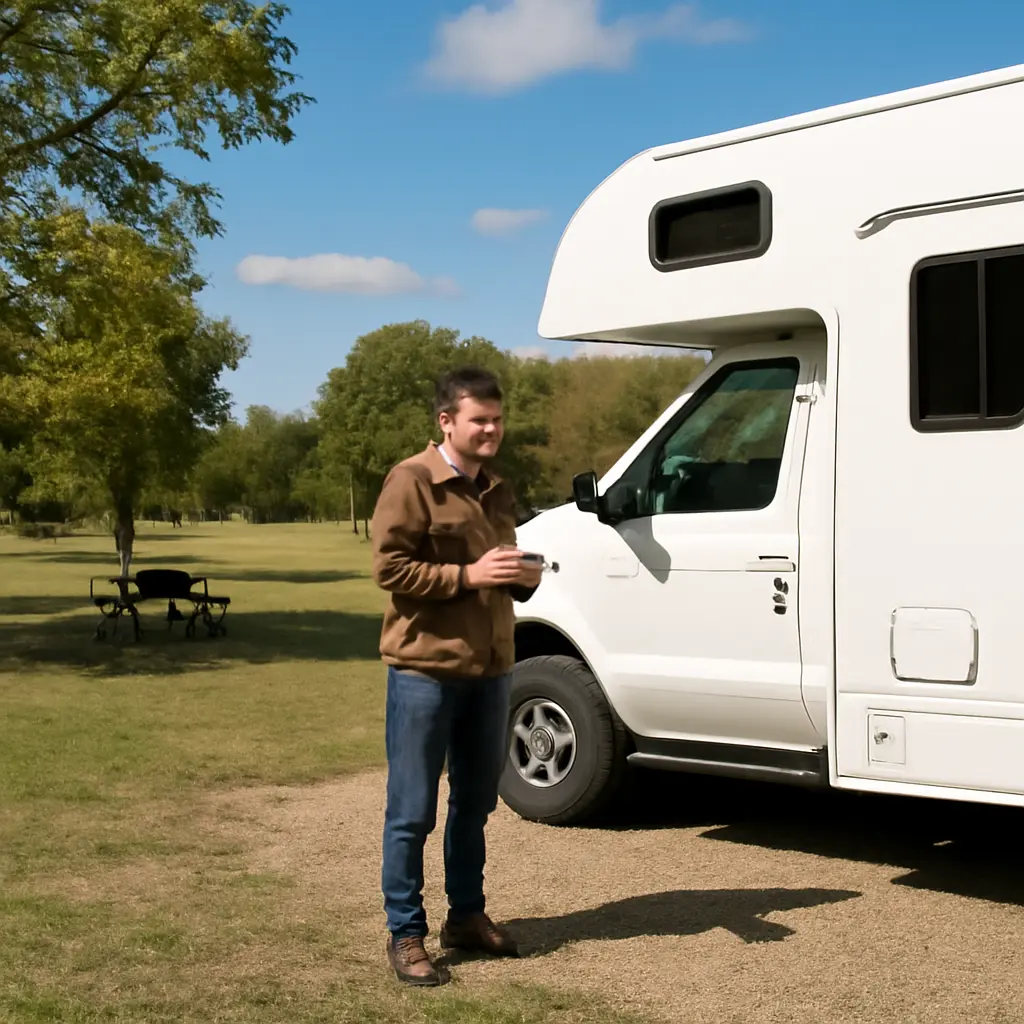
Full-time RV life is most sustainable when everyday routines protect health, manage limited resources, and leave room for flexibility. A practical rhythm includes planning where to stay, checking water and power, keeping up with maintenance, moving regularly, and making time for work, relationships, and rest. These habits matter because RV living combines ordinary household tasks with travel logistics: the U.S. Energy Information Administration reports that the average U.S. household used about 10,500 kilowatt-hours of electricity in 2022, while an RV’s available power can be far more constrained and vary by setup. The routines below turn that difference into a manageable system rather than a daily surprise.
Routines Make Full-Time RV Life Sustainable
A routine is a repeatable sequence of actions that supports a desired outcome. For full-time RV living, sustainability means maintaining a safe, financially workable, and personally satisfying life on the road over time—not simply traveling without interruption. The National Park Service advises visitors to plan ahead and prepare, a principle that translates well to RV travel: check the next destination, understand local rules, and prepare for changing weather and services before moving.
There is no single ideal schedule. A useful routine varies with vehicle type, climate, work commitments, campground access, and health needs. The core categories, or related forms of routine, are planning and travel, resource management, maintenance and safety, and personal wellbeing. Building a dependable baseline in each category makes travel days less hectic and helps prevent small problems from becoming expensive ones.
Plan the week before planning the drive
Weekly planning means reviewing reservations, route options, weather, fuel stops, groceries, work commitments, and the next place to refill water or dispose of waste. Check campground arrival rules and confirm that the site can accommodate the RV’s length, height, and electrical needs. For public lands, verify current conditions and restrictions directly with the managing agency; access, fire rules, and road conditions can change.
A simple Sunday or arrival-day planning session can prevent rushed decisions. Keep a primary route and a fallback option, especially when traveling in remote areas. The Federal Highway Administration’s National Traffic and Road Closure Information resources and state transportation agencies can help travelers check conditions, but the final plan should also account for daylight, rest, and the driver’s comfort—not just distance.
Use a travel-day checklist
A travel-day checklist is a standardized sequence for securing the RV before departure and confirming it is ready after arrival. Before moving, check interior cabinet latches, exterior compartments, awnings, steps, tires, hitch or tow connections, lights, and anything that could shift. At the destination, level and stabilize the vehicle, connect utilities according to the equipment instructions, and inspect for leaks or damage.
The National Highway Traffic Safety Administration recommends checking tire condition and inflation, including the spare where applicable. Follow the tire and vehicle manufacturers’ specifications rather than relying on a generic pressure figure. A written checklist or phone note reduces dependence on memory, particularly when departure is interrupted or more than one person shares setup tasks.
Resource Routines Manage Water, Power, and Waste
Resource management is the planned use of water, electricity, fuel, and waste capacity so that essential needs remain covered between service points. In an RV, tank size and power availability make these resources visible in a way they may not be in a conventional home. A daily glance at gauges, weather, and expected usage gives travelers time to adjust before a tank fills or a battery runs low.
Track water use and protect drinking water
A water routine combines safe filling, sensible consumption, and regular inspection for leaks. Use a potable-water hose for drinking-water connections, keep it separate from sewer equipment, and follow the RV manufacturer’s guidance for sanitizing the fresh-water system. The Centers for Disease Control and Prevention notes that water safety depends on its source and treatment; travelers should not assume every tap or private supply is safe simply because it looks clear.
Make water checks part of arrival and departure: note the fresh-tank level, inspect visible fittings, and confirm that the pump or city-water connection behaves normally. When water is limited, low-flow habits—such as turning off the tap while brushing teeth—help extend the interval between fills. Keep a record of where water came from and when the system was last sanitized, especially if the RV sits unused between trips.
Match electricity use to the power supply
Electrical management means matching appliance demand to the available source: campground hookup, generator, battery, or solar system. Identify which appliances draw the most power and avoid running high-demand devices simultaneously when the electrical service is limited. Check battery state and charging performance at a consistent time each day, and use equipment only as directed by its manufacturer.
Solar production depends on panel capacity, sunlight, shade, season, and consumption, so a sunny forecast is not a substitute for monitoring. The U.S. Department of Energy explains that solar output varies with factors such as location and system characteristics. An energy log—recording battery levels, major appliance use, and charging conditions—can reveal patterns and help determine whether conservation, a system change, or more frequent hookups are needed.
Make waste handling predictable
Waste routines cover toilet use, gray- and black-water tanks, trash, and recycling. Follow the RV and tank-treatment product instructions, use approved dump facilities, and keep gloves and dedicated sewer equipment separate from clean-water supplies. Avoid dumping waste where it is not permitted. Check local campground and public-land rules, since facilities and disposal requirements differ by location.
A short daily check of tank indicators and trash prevents unpleasant surprises, while a planned service stop avoids waiting until capacity is nearly exhausted. Tank sensors can be imperfect, so compare readings with observed use and the system’s behavior. This routine bridges resource management and maintenance: careful handling reduces odors, clogs, spills, and avoidable repairs.
Maintenance and Safety Routines Prevent Small Problems
Preventive maintenance is scheduled inspection and service intended to find wear or developing faults before they cause failure. For RV owners, that means following the chassis, tire, appliance, and house-system maintenance schedules rather than waiting for a warning light or leak. The Federal Motor Carrier Safety Administration’s vehicle-inspection principles emphasize systematic checks; although an RV may not be a commercial vehicle, the habit of inspecting safety-critical components is broadly useful.
Inspect tires, brakes, and exterior systems
A weekly walk-around can include tires, visible wheel and brake concerns, lights, mirrors, windshield, roofline, seals, and exterior storage doors. Before a long drive, check tire pressure when the tires are cold and use the pressure specified for the actual load and equipment. The National Highway Traffic Safety Administration identifies underinflated tires as a safety concern and recommends regular tire-pressure checks.
Record inspection dates, mileage, and work completed. If a tire is damaged, a warning appears, or braking feels abnormal, stop safely and seek qualified service rather than treating a checklist as a repair guide. In hot or cold weather, also inspect weather-sensitive items such as seals, hoses, batteries, and heating or cooling equipment according to the relevant manuals.
Build fire, weather, and emergency checks into the day
An emergency routine makes key information and equipment easy to find before a crisis. Know the location of exits, fire extinguishers, first-aid supplies, shutoffs, and emergency contacts. Test smoke and carbon-monoxide alarms as directed by their manufacturers, and maintain them with the correct batteries or power supply. The U.S. Fire Administration recommends working smoke alarms as a basic home-fire safety measure; RV occupants should also follow the RV maker’s guidance for alarm placement and testing.
Check weather alerts and local fire restrictions before travel or outdoor cooking. NOAA’s National Weather Service provides forecasts and warnings, but travelers should also heed campground staff and local authorities. Keep an evacuation plan that accounts for pets, medications, mobility needs, and a way to leave promptly if conditions deteriorate.
Keep a maintenance and expense log
A maintenance log records inspections, service dates, part replacements, and recurring issues; an expense log tracks fuel, campsites, repairs, insurance, and supplies. Together, they help distinguish routine costs from unusual failures and make it easier to budget for seasonal service. The Federal Trade Commission’s consumer guidance on budgeting supports tracking income and spending as a practical way to understand where money goes.
A useful example is a recurring roof-seal inspection reminder paired with a note about any observed cracking or water intrusion. The record helps the owner compare conditions over time and share clear information with a repair technician. Keep digital copies of manuals, warranties, insurance details, and maintenance receipts, with offline access for areas without reliable service.
Personal Routines Support Health and Long-Term Comfort
Personal routines are repeatable habits that protect physical health, mental wellbeing, relationships, and productive work. The appeal of mobility can obscure the demands of small living spaces, frequent transitions, and uncertain connectivity. A sustainable schedule therefore includes not only travel and chores, but also sleep, movement, social contact, and time without driving or planning.
Protect sleep, movement, and regular meals
A health routine sets reasonably consistent times for sleep, meals, and activity, adapted to the route and climate. The Centers for Disease Control and Prevention recommends that adults get at least seven hours of sleep per night, though individual needs vary. The CDC also recommends at least 150 minutes of moderate-intensity physical activity per week for most adults, along with muscle-strengthening activity on two days.
Those targets can be approached through walks, hikes, cycling, or short indoor sessions when weather or location limits outdoor activity. Plan groceries around refrigeration capacity and access to stores, and keep simple meals available for travel days. Anyone with medical needs should follow advice from their clinician and plan prescriptions, appointments, and emergency care across changing locations.
Set boundaries between work, travel, and rest
Work-life boundaries are explicit rules that protect focused work and genuine downtime. Remote workers can identify backup connectivity, test the connection before important meetings, and avoid scheduling demanding calls during travel or setup. A dedicated work surface—even a compact one—can signal the start and end of the workday.
Plan non-driving days as part of the calendar rather than treating them as optional leftovers. They allow time for laundry, errands, maintenance, and recovery. This is particularly important because frequent moves increase setup work and fuel costs; staying longer at fewer locations can reduce both while giving travelers a more stable routine.
Make space for relationships and community
A connection routine deliberately maintains relationships with family, friends, and local communities. Regular calls, shared meals, volunteering, or campground activities can reduce the isolation that sometimes accompanies a mobile lifestyle. Travelers can also create recurring rituals—such as a weekly call or a monthly visit—that continue even when the scenery changes.
The practical point is not that every RVer needs the same social calendar, but that connection should be planned alongside maintenance and errands. If a person notices persistent low mood, anxiety, or loneliness, seek appropriate professional support rather than assuming that relocation alone will solve it.
A Sample Daily and Weekly RV Rhythm
A routine is most useful when it is simple enough to repeat and flexible enough to survive weather, repairs, and changing plans. The schedule below is an example, not a universal prescription.
- Morning: check weather, appointments, battery and water levels, and any alerts; take medication and eat before beginning a drive or work session.
- Midday: protect a work or activity block, take movement breaks, and avoid pushing a drive beyond a safe, comfortable pace.
- Arrival: complete the parking and hookup checklist, inspect for leaks or damage, and note any supply needs.
- Evening: prepare for the next day, secure food and trash, review tanks and power, and make time to unwind.
- Weekly: review route and reservations, inspect tires and exterior systems, plan groceries and laundry, update expenses, and schedule a rest day.
A simple chart can make the routine visible: list each day across the top and planning, resource checks, maintenance, exercise, work, and rest down the side. Mark each item as daily, weekly, or destination-dependent. The aim is not perfect compliance; it is noticing neglected areas early enough to adjust.
Conclusion: Build Routines That Can Adapt
Sustainable full-time RV life rests on a few connected systems: travel planning, water and power management, waste handling, preventive maintenance, emergency readiness, and personal wellbeing. A weekly plan reduces rushed moves; short daily checks make limited resources visible; consistent records support safer maintenance and more realistic budgeting; and routines for sleep, exercise, work, and relationships help make the lifestyle livable over the long term.
Start with a short arrival-and-departure checklist, then add one routine at a time. Review it after a month and revise anything that feels burdensome or fails to prevent problems. For further guidance, consult the RV and tire manufacturers’ manuals, public-land and campground rules, and current advice from relevant safety and health agencies.
Sources: U.S. Energy Information Administration, How Much Electricity Does an American Home Use?, https://www.eia.gov/tools/faqs/faq.php?id=97&t=3; National Park Service, Plan Like a Park Ranger, https://www.nps.gov/articles/000/idkt_planning.htm; Federal Highway Administration, National Traffic and Road Closure Information, https://www.fhwa.dot.gov/trafficinfo/; National Highway Traffic Safety Administration, Tires, https://www.nhtsa.gov/vehicle-safety/tires; Centers for Disease Control and Prevention, About Drinking Water, https://www.cdc.gov/drinking-water/about/index.html; U.S. Department of Energy, Solar Photovoltaic Technology Basics, https://www.energy.gov/eere/solar/solar-photovoltaic-technology-basics; Federal Motor Carrier Safety Administration, Driver Vehicle Inspection Reports, https://www.fmcsa.dot.gov/regulations/driver-vehicle-inspection-reports; U.S. Fire Administration, Smoke Alarms, https://www.usfa.fema.gov/prevention/home-fires/prepare-for-fire/smoke-alarms/; National Weather Service, https://www.weather.gov/; Federal Trade Commission, Making a Budget, https://consumer.gov/managing-your-money/making-budget; Centers for Disease Control and Prevention, About Sleep, https://www.cdc.gov/sleep/about/index.html; Centers for Disease Control and Prevention, Adult Activity: An Overview, https://www.cdc.gov/physical-activity-basics/guidelines/adults.html.
Related Posts

8 Powerful Benefits That Make Indoor RV Living Worth the Switch
Indoor RV Living Benefits and Lifestyle Adaptation Indoor RV living, defined as residing primarily within [...]

How Proper Fire Protection and Detection Keep Indoor RV Living Truly Safe
Fire Protection and Detection for Indoor RV Living Indoor RV living, the practice of residing [...]

The Real Advantages of Indoor RV Living Over Traditional Outdoor Storage
Indoor RV Living Advantages: Definition and Overview Indoor RV living refers to the practice of [...]